
Patchouli oil — derived from the steam distillation of Pogostemon cablin leaves — is one of the most widely used essential oils in perfumery, aromatherapy, and skincare. But like any potent botanical extract, it carries real risks if misused.
This guide covers everything you need to know: the documented side effects of patchouli oil, how to identify an allergy, safety considerations during pregnancy, and a practical dilution guide so you can enjoy its benefits without the risks.
Note: Global Essential Oil sources certified patchouli oil (Pogostemon cablin) directly from Indonesian farms. All oils undergo GC-MS testing to ensure purity. Learn more about our patchouli oil →
| What Are the Side Effects of Patchouli Oil? Patchouli oil is generally safe when used correctly, but it can cause several side effects if misapplied: • Skin irritation or contact dermatitis — especially when applied undiluted (neat) • Allergic reactions — linked to limonene, a compound listed as an allergen by EU cosmetic regulations • Photosensitivity — skin may become more sensitive to sunlight after topical application • Hormonal disruption — patchouli has documented estrogen-like (estrogenic) activity • Sedation at high doses — patchouli alcohol can act as a CNS depressant in large amounts • Not recommended for: pregnant women (especially first trimester), children under 6, or people with hormone-sensitive conditions Always dilute patchouli oil to 1–3% in a carrier oil before applying to skin. Perform a patch test 48 hours before first use. |
What Is Patchouli Oil? A Brief Overview
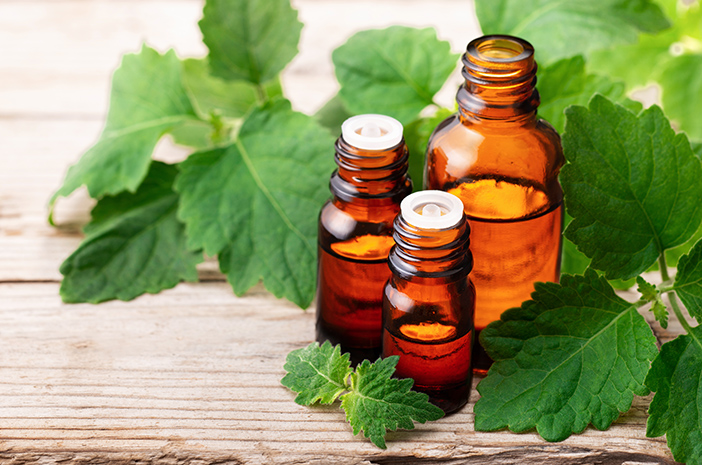
Patchouli oil is an essential oil extracted from the dried leaves of Pogostemon cablin, a tropical herb native to Southeast Asia — with Indonesia being the world's largest producer, accounting for over 80% of global supply.
Its distinctive earthy, woody, and musky scent has made it a cornerstone ingredient in iconic perfumes (including Chanel's Coco Mademoiselle and Thierry Mugler's Angel). Beyond fragrance, patchouli oil is used in aromatherapy for its calming and grounding properties, and in skincare for its antimicrobial and anti-inflammatory effects.
The primary active compound is patchouli alcohol (patchoulol), a sesquiterpene alcohol that accounts for 25–35% of the oil's composition and is responsible for most of its therapeutic and aromatic properties.
→ Related reading: What Is Patchouli Oil Used For?
Common Patchouli Oil Side Effects
Patchouli oil is potent — a little goes a long way. Below are the most documented side effects based on scientific literature and clinical observations.
Skin Irritation and Contact Dermatitis
The most frequently reported side effect is skin irritation, ranging from mild redness to full contact dermatitis — an inflammatory skin reaction characterized by itching, rash, and swelling.
This typically occurs when patchouli oil is applied undiluted (neat) directly onto the skin. The high concentration of terpenoids in undiluted patchouli oil can disrupt the skin barrier, leading to sensitization over time.
| Prevention Always dilute patchouli oil to 1–3% before topical use Use a carrier oil such as jojoba, sweet almond, or fractionated coconut oil Never apply neat essential oil to mucous membranes, eyes, ears, or broken skin |
Hormonal (Estrogen-Like) Effects
One of the less-discussed but scientifically documented side effects of patchouli oil is its estrogenic activity. Research has identified that certain compounds in patchouli oil — particularly pogostone and patchouli alcohol — can mimic estrogen in the body.
| Important for Certain Groups People with estrogen-sensitive conditions (such as breast cancer, uterine fibroids, endometriosis, or PCOS) should exercise caution or avoid patchouli oil without consulting a healthcare provider. The EU cosmetic regulatory guidelines list patchouli as having possible estrogen-like effects. |
Photosensitivity After Topical Application
While patchouli itself is not classified as a photosensitizing oil (unlike bergamot or lemon), applying it to exposed skin and then going into direct sunlight can sometimes increase sensitivity. This is more of a concern when patchouli is blended with known photosensitizers.
- Recommendation: After applying patchouli oil topically, avoid direct sun exposure for at least 12 hours if your blend contains citrus oils.
Sedation and Drowsiness at High Doses
Patchouli oil has a biphasic effect: in low doses, it acts as a tonic and mood-lifter; in high doses, patchouli alcohol can act as a central nervous system depressant, inducing sedation and drowsiness.
- For diffuser use: limit sessions to 30–60 minutes in a well-ventilated room
- Avoid high-dose inhalation before driving or operating heavy machinery
- Children and elderly individuals are more sensitive to this sedative effect
Patchouli Oil Allergy: Symptoms and Triggers
A patchouli oil allergy is more common than many people realize. Fragrance allergies, in general, are among the leading causes of contact dermatitis worldwide, and patchouli oil contains several compounds that can act as allergens.
Common Patchouli Allergy Symptoms
- Redness, itching, or burning sensation at the point of contact
- Hives or welts (urticaria)
- Swelling, especially around the face or hands after handling the oil
- Runny nose, sneezing, or watery eyes when inhaling (contact rhinitis)
- In rare cases: anaphylaxis — a severe whole-body allergic reaction requiring emergency care
| Seek Emergency Care Immediately If You Experience: Sudden difficulty breathing after exposure to patchouli oil Severe throat tightening or swelling of the face/tongue Rapid drop in blood pressure, dizziness, or loss of consciousness These are signs of anaphylaxis — call emergency services immediately. |
EU-Listed Allergen: Limonene in Patchouli Oil
Under EU Cosmetic Regulation No. 1223/2009, patchouli oil must be declared as containing limonene when included in cosmetic products — because limonene is listed as a known fragrance allergen that must be declared above certain concentrations.
This is why you'll see 'limonene' listed in the ingredients of skincare and fragrance products containing patchouli. If you have a known limonene allergy, approach patchouli oil with caution and consult a dermatologist or allergist.
How to Do a Patch Test (Step-by-Step)
Before using any essential oil — including patchouli — for the first time, perform a patch test:
- Step 1: Dilute 1 drop of patchouli oil in 1 teaspoon (5ml) of carrier oil (about 1% dilution)
- Step 2: Apply a small amount to the inside of your elbow or wrist
- Step 3: Cover loosely with a bandage and leave for 48 hours
- Step 4: Check for redness, itching, or swelling at the 24-hour and 48-hour marks
- Step 5: If no reaction occurs after 48 hours, the product is likely safe for you at that concentration
Is Patchouli Oil Safe During Pregnancy?

This is one of the most commonly searched questions about patchouli oil safety — and for good reason. The answer is nuanced.
First Trimester: When to Avoid It
Most aromatherapy practitioners and essential oil safety experts recommend avoiding patchouli oil entirely during the first trimester. This is because:
- Patchouli oil has documented estrogen-like activity that could potentially interfere with early pregnancy hormonal balance
- The first trimester is the most critical period for fetal development
- Emmenagogue effects (stimulating uterine contractions) have been reported with some sesquiterpene-rich oils
| First Trimester Recommendation Avoid patchouli oil — both topically and via diffuser — during the first trimester. When in doubt, consult your OB-GYN or a certified aromatherapist who specializes in prenatal care. |
Second & Third Trimester: What Experts Say
Some aromatherapy practitioners consider patchouli oil to be relatively safe in small amounts during the second and third trimester — particularly as an inhalant used briefly in a well-ventilated space. However, topical use should still be limited and only after medical consultation.
| General Guidance for Pregnant Women Always consult your healthcare provider before using any essential oil during pregnancy If approved for use, limit to brief aromatic use (15 minutes or less) in a well-ventilated room Avoid topical application during pregnancy, especially on the abdomen Keep dilution very low (0.5% or below) if topical use is cleared by your doctor |
How to Wear Patchouli Oil Safely

Patchouli oil's rich, long-lasting scent makes it a popular choice both as a standalone fragrance and as a base note in DIY perfumes. Here's how to apply it safely and effectively.
Dilution Guide: How Much Patchouli Oil Is Safe?
Always dilute patchouli oil in a carrier oil before skin application. The table below shows recommended dilution levels by use case:
| Use Case | Recommended Dilution | Drops per 1 tsp Carrier Oil | Notes |
| Facial skincare | 0.5–1% | 1–2 drops | Patch test required |
| Body massage | 2–3% | 6–9 drops | Safe for most adults |
| Aromatherapy diffuser | N/A – neat use | 4–6 drops in water | No dilution needed |
| Hair & scalp | 1–2% | 3–6 drops in carrier | Mix with jojoba or coconut oil |
| Perfume/cologne (wrists) | 3–5% | 9–15 drops in carrier | Avoid sun exposure after application |
| Children (6–12 years) | 0.5% | 1 drop only | Consult pediatrician first |
Application Points for Fragrance Use
For best scent longevity and safe skin contact, apply diluted patchouli oil to pulse points:
- Wrists — classic fragrance application point
- Inner elbows — releases scent as body heat rises
- Back of knees — excellent for long-lasting scent trail
- Base of throat / décolletage — for close-proximity scent
- Behind ears — warm area that diffuses scent well
- Hair ends (avoid scalp) — patchouli clings well to hair fiber
Avoid applying to: eyes, ear canals, mucous membranes, broken or irritated skin.
Blending Patchouli Oil Safely
Patchouli's earthy, musky character works beautifully as a base note and fixative in blends. It pairs well with:
- Lavender — for a grounding + floral relaxation blend
- Bergamot — for a bright + earthy citrus blend (note photosensitivity if applying topically)
- Sandalwood — for a deep, woody meditation blend
- Ylang ylang — for a sensual, exotic floral base
- Cedarwood — for a forest-like, calming diffuser blend
→ Related reading: Exploring Patchouli in Perfumery
Who Should Avoid Patchouli Oil?
Patchouli oil is not suitable for everyone. The following groups should avoid use or consult a healthcare provider first:
| Group | Reason / Risk |
| Pregnant women (1st trimester) | Estrogenic activity + possible emmenagogue effect |
| Children under 6 years old | CNS sensitivity; sedative effect risk |
| People with hormone-sensitive cancers | Estrogen-like compounds may stimulate tumor growth |
| People with endometriosis or PCOS | Estrogenic activity may worsen symptoms |
| Individuals with limonene allergy | Patchouli oil contains limonene (EU-listed allergen) |
| People taking blood thinners | Possible mild anticoagulant interaction |
| Epilepsy patients | Sesquiterpene-rich oils may lower seizure threshold |
Medical Disclaimer: The information in this article is for educational purposes only and does not constitute medical advice. If you have a medical condition, are pregnant, or are taking prescription medications, consult your healthcare provider before using patchouli oil or any essential oil.
| How to Wear Patchouli Oil as Perfume To wear patchouli oil safely as a perfume: 1. Dilute 3–5 drops in 1 teaspoon (5ml) of carrier oil (jojoba or sweet almond oil recommended) 2. Apply to pulse points: wrists, inner elbows, back of knees, behind ears, or base of throat 3. Do not rub wrists together — this breaks down the scent molecules 4. For longer-lasting wear, apply to hair ends (avoid scalp) 5. Reapply every 6–8 hours as needed Patchouli oil is a base note with excellent longevity. Start with a small amount — it's stronger than you expect. |
Source High-Quality Patchouli Oil for Your Business
For cosmetics manufacturers, fragrance houses, and aromatherapy brands looking for consistent, certified patchouli oil supply — Global Essential Oil offers:
- 100% pure Pogostemon cablin patchouli oil from Indonesian farms
- GC-MS certificate of analysis available on request
- Halal certified, MSDS documentation provided
- Flexible MOQ for B2B buyers — from sample quantities to bulk container shipments
- Direct from manufacturer — no middle-man pricing
→ Explore our Bulk Patchouli Essential Oil or contact our team for a quote.