| Why is Garut, Java vetiver oil considered high quality? Vetiver oil from Garut, West Java — known internationally as "Java vetiver oil" or locally as "akar wangi" — is considered among the world's finest due to a combination of factors: (1) volcanic soil rich in minerals that develops a deeper, smokier, more complex sesquiterpene profile in the root system; (2) decades of specialised cultivation expertise concentrated in a government-designated cultivation zone since 1996; (3) higher khusimol content (8–14%) compared to many other origins; and (4) a distinctive aroma character — described by perfumers as deeper and more resinous than Haitian or Indian vetiver — that is specifically sought after by niche and luxury fragrance houses. |
Among the handful of countries that produce commercial vetiver oil — Haiti, India, China, Brazil, and Indonesia — Java vetiver from Garut, West Java holds a uniquely prestigious position.
It is one of the few essential oils where the regional origin itself has become a recognised trade name: "Java vetiver oil" is a term used in international fragrance and trading circles specifically to denote vetiver from this region, distinct from the generic commodity.
This guide explains what makes Garut vetiver oil distinctive — covering the region's unique growing conditions, the scale of production (drawing on official Indonesian government data), the chemistry that defines its quality, and what buyers need to know when sourcing Java vetiver oil.
We write as Global Essential Oil, an Indonesian manufacturer sourcing vetiver oil directly from Garut.
What Is “Java Vetiver Oil”? Understanding the Name
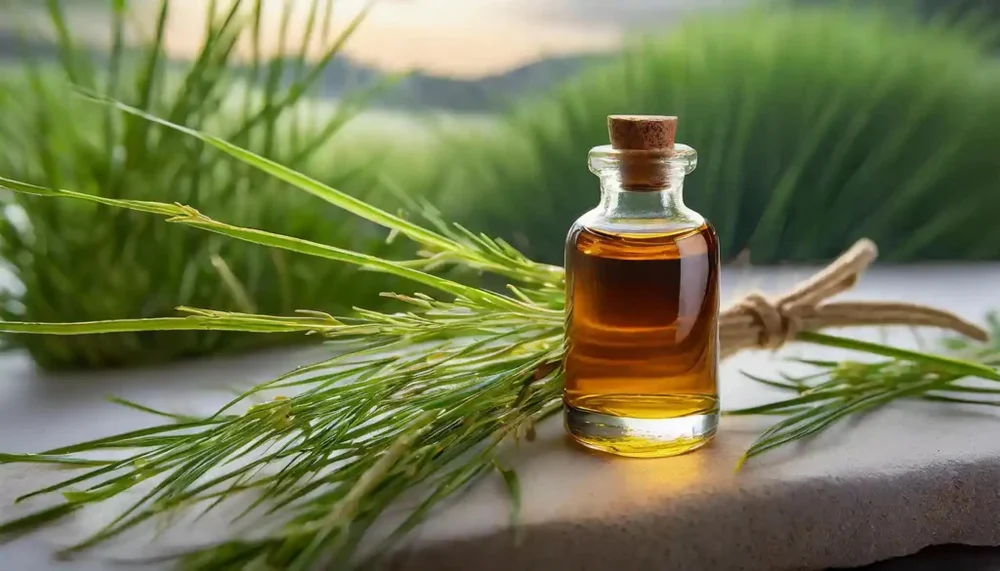
Vetiver (Chrysopogon zizanioides, formerly classified as Vetiveria zizanioides) is a tropical grass native to India and naturalised across South and Southeast Asia.
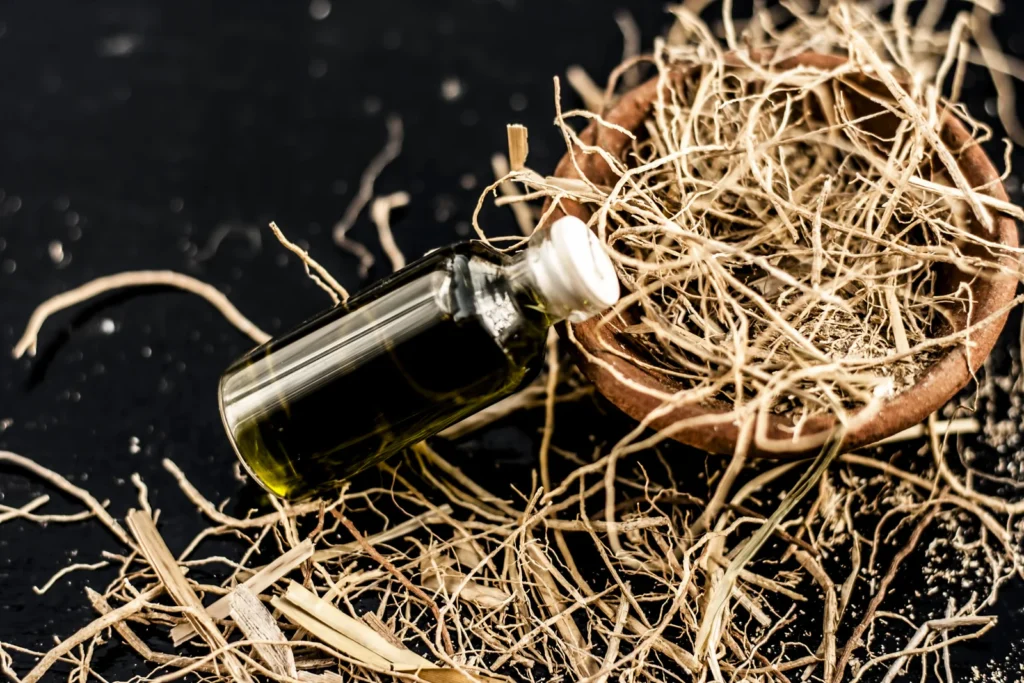
In Indonesia, it is called akar wangi — literally "fragrant root" — and Garut Regency in West Java has become so closely associated with quality vetiver production that the international trade name "Java vetiver oil" or "Java vetiver root oil" refers specifically to vetiver oil from this region.
This naming convention — where a specific Indonesian regional origin becomes an internationally recognised trade designation — places Garut vetiver in a similar category to other terroir-specific essential oils like "Bulgarian rose" or "French lavender", where origin is inseparable from the product's identity and reputation.
Botanical Profile
According to Indonesia's official commodity reference (BAPPEBTI), akar wangi is a perennial grass forming large, dense clumps, growing 1–3 metres tall with stem diameters of 2–8mm.
Its defining feature is the deep, fragrant, fibrous root system — the source of both the name "akar wangi" (fragrant root) and the essential oil. Under natural conditions, the plant can live for up to 50 years, with roots reaching up to 15 metres deep into the soil — making it one of the most effective natural soil-stabilising plants known.
Vetiver Oil from Garut: The Heart of Indonesian Production
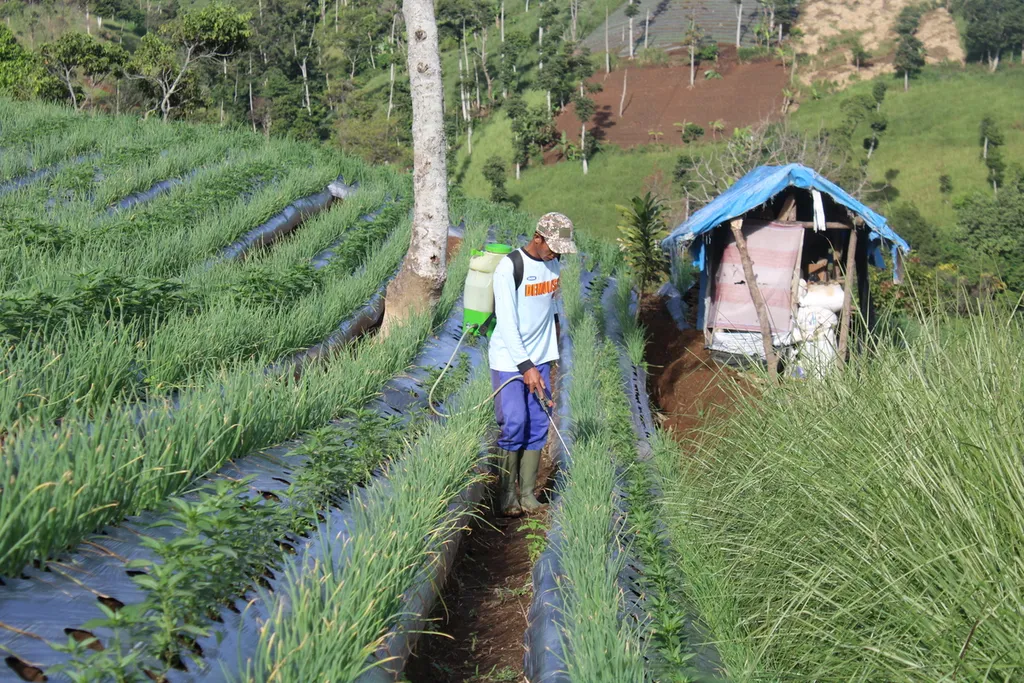
| How large is vetiver production in Garut? According to BAPPEBTI (Indonesia's Commodity Futures Trading Regulatory Agency), Garut Regency has more than 2,400 hectares dedicated to vetiver (akar wangi) cultivation — the largest vetiver cultivation area in Indonesia. This production involves approximately 5,000 farming families as landowners or cultivators, concentrated across four districts: Samarang, Bayongbong, Cilawu, and Leles. Annual production reaches approximately 20,000 tonnes of raw vetiver root, processed into approximately 75 tonnes of vetiver essential oil per year. |
Why Garut’s Soil Is Different
The defining factor behind Garut vetiver's distinctive quality is volcanic soil.
Garut sits within the influence of several volcanic complexes — including Mount Papandayan and Mount Guntur — and the region's soil is regularly enriched by volcanic ash deposits.
Julia Lawless, in The Illustrated Encyclopedia of Essential Oils (Element Books, 1995), specifically identified Garut's volcanic-influenced soil layers as ideal growing conditions for vetiver — a recognition that predates the modern fragrance industry's appreciation of Java vetiver's distinctive character.
This volcanic soil profile — rich in potassium, magnesium, and trace minerals — is the same type of mineral-rich environment that drives higher sesquiterpene biosynthesis in other Indonesian aromatic crops, such as Sulawesi patchouli's elevated patchoulol content.
For vetiver, the equivalent effect is higher khusimol content and a deeper, smokier sesquiterpene profile compared to vetiver grown in non-volcanic soils.
A Government-Protected Cultivation Zone Since 1996
Recognising the economic and agricultural importance of vetiver to the region, the Garut Regency government established a designated vetiver cultivation zone through local regulation (Peraturan Daerah) in 1996.
This official designation reflects the decades-long recognition — by both farmers and government — of vetiver as one of Garut's signature agricultural commodities, alongside its more famous dodol (sweets) and leather crafts.
The Four Producing Districts
| District (Kecamatan) | Role in Vetiver Economy | Notes |
| Samarang | Major cultivation area | One of the four primary districts within the designated cultivation zone |
| Bayongbong | Major cultivation area | Significant farming community involvement |
| Cilawu | Major cultivation area | Part of the historic core production zone |
| Leles | Major cultivation area + processing | Distillation facilities concentrated in this area |
Beyond Oil: The Vetiver Craft Economy
An aspect of Garut's vetiver economy that is unique among Indonesian essential oil regions is the parallel craft industry built on dried vetiver roots.
Beyond essential oil distillation, dried akar wangi roots are woven into bags, table mats, coasters, belts, wallets, footwear, lampshades, mats, dolls, and curtains — an export-oriented craft sector that operates alongside the essential oil industry, both drawing on the same root harvest.
This dual-economy structure provides additional income stability for Garut's vetiver farming communities beyond essential oil pricing alone.
The Chemistry Behind Java Vetiver’s Quality Reputation

Khusimol Content: The Key Quality Marker
| What is khusimol and why does it matter for vetiver oil quality? Khusimol (vetiver alcohol) is the primary sesquiterpene alcohol in vetiver oil and the most important indicator of quality and origin character. Garut/Java vetiver typically contains 8–14% khusimol — among the higher concentrations found in commercially traded vetiver oils. Higher khusimol content correlates with greater aroma complexity, deeper character, and stronger fixative performance in perfumery applications. |
Origin Comparison: Khusimol and Aroma Character
| Origin | Khusimol % | Aroma Character | Primary Market |
| Garut, West Java (Indonesia) | 8 – 14% | Smoky, earthy, deep volcanic character — darkest and most complex | Niche/luxury perfumery, premium cosmetics |
| Haiti | 7 – 12% | Cleaner, rooty, slightly sweet — most widely traded globally | Mainstream fine fragrance, mass cosmetics |
| India (Rajasthan/Kerala) | 5 – 10% | Milder, grassy-earthy — traditional Ayurvedic character | Aromatherapy, Ayurvedic preparations |
| Réunion Island (Bourbon/Java type) | 8 – 13% | Closest to Garut character — deep, smoky | Niche perfumery |
| China | 5 – 9% | Lighter, less complex | Domestic/regional markets, economy fragrance |
For the complete breakdown of vetiver oil benefits, applications, and origin comparison, see: What Is Vetiver Oil Good For — Benefits & Origin Guide.
Why Perfumers Specifically Request “Java Vetiver”
In professional fragrance briefs, "Java vetiver" is often specified by name — distinct from generic "vetiver oil" — because of its smokier, more resinous, almost volcanic character compared to the cleaner profile of Haitian vetiver (the most common commercial origin).
This makes Java vetiver particularly valued in: oriental and oud-inspired compositions, where its smokiness complements resinous notes; avant-garde/niche perfumery, where maximum aromatic complexity is the goal; and luxury masculine fragrances, where depth and longevity are prioritised.
For the complete perfumery application guide, see: Vetiver Oil in Perfumery — Usage Rates & Blending Guide.
How Java Vetiver Is Grown and Processed
Cultivation: Low Input, Long-Lived
According to BAPPEBTI's official description, vetiver cultivation does not require complex care — plants are established and watered until shoots emerge, after which the deep root system allows the plant to thrive with minimal intervention for decades.
This low-maintenance profile, combined with the plant's role in preventing soil erosion on Garut's volcanic hillsides (roots reaching up to 15 metres deep act as natural ground anchors), makes vetiver one of the few commercial crops that is simultaneously economically productive and environmentally beneficial — directly relevant to sustainability discussions.
See: Sustainable Essential Oil Sourcing — Vetiver as a Conservation Crop.
Harvesting and Pre-Distillation Preparation
Vetiver roots are typically harvested after 12–24 months of growth — significantly longer than most aromatic crops, reflecting the slow accumulation of aromatic compounds in the root system.
After harvest, roots are washed, cut or shredded, and soaked in water for 24–72 hours before distillation — this pre-soaking step is essential for vetiver and significantly improves oil yield by hydrating and softening the root tissue.
Distillation: One of the Longest in Essential Oil Production
Vetiver requires 15–30 hours of steam distillation — among the longest distillation times of any commercially produced essential oil, reflecting the heavy, complex sesquiterpene compounds that must be extracted from the root tissue.
For the complete distillation process explanation, see: Essential Oil Steam Distillation Process — Complete Guide.
Java Vetiver in the Global Market
Indonesian vetiver oil — predominantly from Garut — has an established export history.
According to BAPPEBTI, Indonesian vetiver oil has historically been exported to Singapore, India, Japan, Hong Kong, the United Kingdom, the Netherlands, Germany, Italy, Switzerland, and the United States — reflecting demand from both regional aroma trading hubs (Singapore, India) and major fragrance manufacturing centres (Western Europe, USA, Japan).
Indonesia’s Competitive Position
Globally, vetiver oil production is concentrated in a small number of countries: Haiti, India, China, Brazil, and Indonesia, with Réunion Island (Bourbon vetiver) as a smaller premium producer.
BAPPEBTI specifically notes that Haiti and Réunion are Indonesia's primary competitors in the premium vetiver segment — and that supply disruptions in Haiti (due to natural disasters and political instability) have periodically created opportunities for increased Indonesian export volume.
Growth Markets
BAPPEBTI identifies South Asia, East Asia, Eastern Europe, and South America as growth opportunities for Indonesian vetiver exports — regions where fragrance and personal care industries are expanding but where Indonesian vetiver does not yet have the established market presence it has in Western Europe and traditional Asian trading hubs.
Sourcing Java Vetiver Oil: What B2B Buyers Should Know
For fragrance houses, cosmetic manufacturers, and personal care brands sourcing Java vetiver oil from Indonesia:
- Specify Garut origin explicitly: Ask suppliers to confirm Garut (and ideally the specific district) — not just generic 'Indonesian vetiver'
- Request khusimol % on COA: Genuine Garut vetiver should show 8–14% khusimol by GC analysis
- GCMS for first orders: Confirms the full sesquiterpene profile matches genuine Java vetiver character
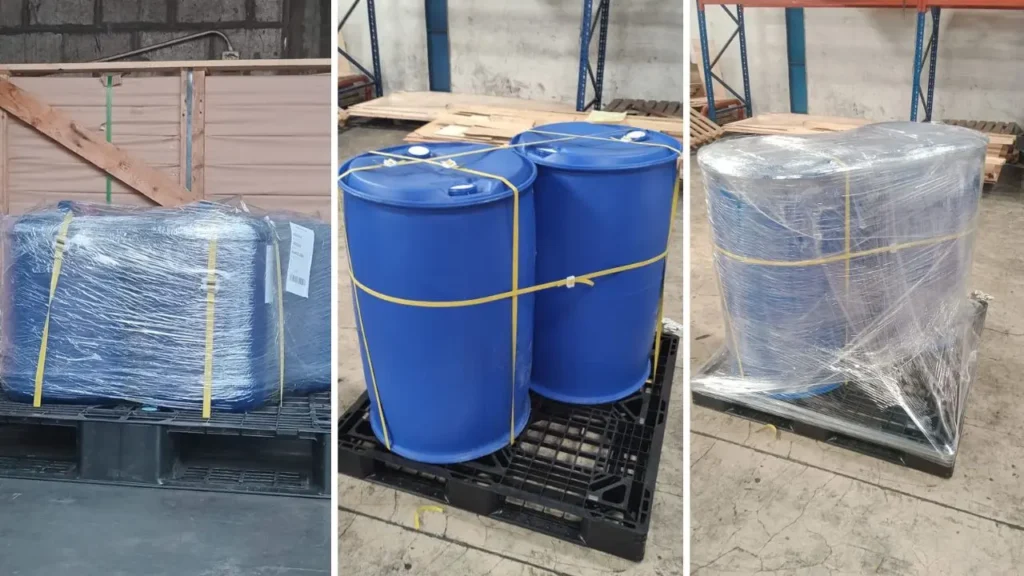
- MOQ guidance: 5–25kg trial samples available before scaling to 180kg drum quantities for production use
- Documentation: Batch-specific COA + GCMS, MUI Halal certificate (verifiable at halalmui.org), MSDS
For the complete sourcing guide including pricing context and supplier verification framework, see: Vetiver Oil Supplier Indonesia — Garut Origin Guide.
For broader Indonesian sourcing principles, see: How to Source Essential Oils from Indonesia.
| Request a Java Vetiver Oil Sample from Garut Contact Global Essential Oil to request a vetiver oil sample sourced from our Garut farmer networks — with batch-specific COA (khusimol %), GCMS report, and MUI Halal certificate. We respond within 1 business day. → Contact Global Essential Oil — Request Java Vetiver Oil Sample |
Or visit our Vetiver Essential Oil product page for full specifications, or explore the complete Indonesian essential oil range.
Frequently Asked Questions
What is Java vetiver oil?
Java vetiver oil is an essential oil distilled from Chrysopogon zizanioides grown in Garut, West Java, Indonesia. It is known for its deep, smoky, and earthy aroma profile and is widely regarded as one of the premium vetiver origins in the global fragrance industry.
Why is vetiver from Garut considered better quality?
Garut vetiver is valued for its distinctive aroma, favorable growing conditions, and long-established cultivation expertise. The region's volcanic soils contribute to the rich and complex scent profile sought by many perfumers.
How much vetiver oil does Garut produce?
Garut is Indonesia's leading vetiver-producing region, supported by thousands of farming families and extensive cultivation areas. The region supplies a significant share of the country's vetiver oil production.
What is the difference between Java vetiver and Haitian vetiver?
Java vetiver typically has a deeper, smokier, and more resinous aroma, while Haitian vetiver is often described as cleaner, lighter, and slightly sweeter. Both are premium origins, with the choice depending on the desired fragrance profile.
Where exactly in Garut is vetiver grown?
Vetiver cultivation in Garut is concentrated in districts such as Samarang, Bayongbong, Cilawu, and Leles. These areas benefit from volcanic-influenced soils that are well suited to vetiver production.
What is akar wangi?
Akar wangi is the Indonesian name for vetiver (Chrysopogon zizanioides). The term translates to "fragrant root" and refers to the same plant used worldwide to produce vetiver essential oil.
Is Java vetiver oil sustainable?
Vetiver is considered a sustainable crop due to its deep root system, which helps prevent soil erosion and improve land stability. It also requires relatively low agricultural inputs once established.
How can I verify I’m getting genuine Garut/Java vetiver oil?
Request a batch-specific Certificate of Analysis (COA) and, when available, a GC-MS report. Buyers should also confirm the origin of the oil and review key quality parameters to verify authenticity.