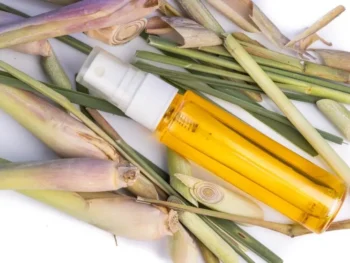
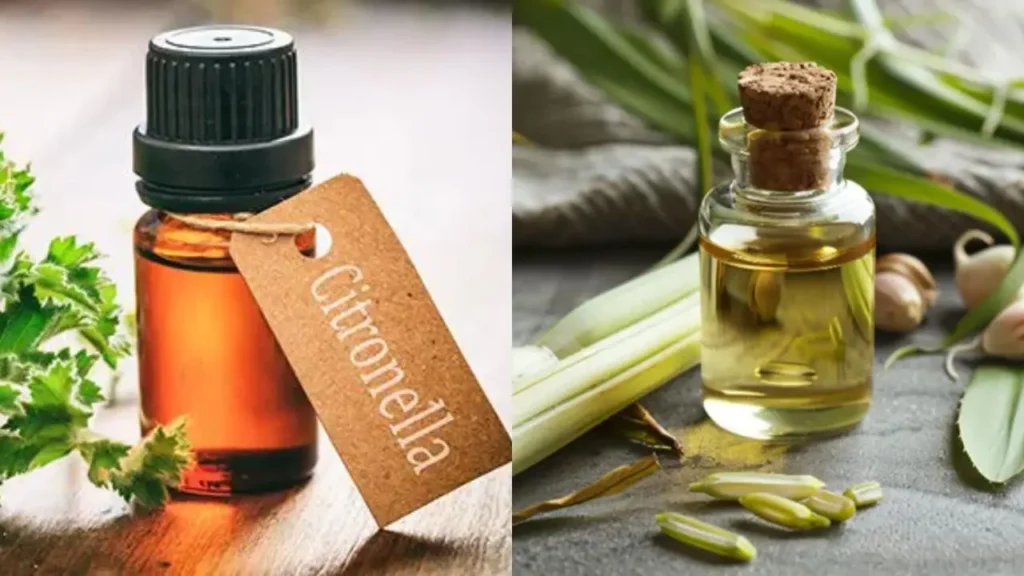
When exploring the citronella oil vs lemongrass oil difference, buyers quickly realise these two are the most commonly confused essential oils in the market.
Both come from the Cymbopogon genus of tropical grasses, both have a fresh citrus-like aroma, both are produced in Indonesia, and both are used in insect repellent formulations — leading many buyers, formulators, and consumers to assume they are interchangeable. They are not.
The two oils have meaningfully different chemical profiles, distinct primary active compounds, and substantially different optimal applications.
Choosing the wrong one for your formulation can mean reduced efficacy, unexpected aroma profiles, or unnecessary cost.
This guide — written by Global Essential Oil, an Indonesian manufacturer of both oils — gives you the complete picture: chemistry, applications, compound data, and a clear decision framework for every use case.
| Quick Answer Citronella oil (primary compound: citronellal 32–45%) → best for insect repellent, outdoor products, soap, and candle. Lemongrass oil (primary compound: citral 70–85%) → best for cosmetics, hair care, personal care, fine fragrance, and food flavour. Both are produced in Indonesia and available in bulk from Global Essential Oil. |
The Citronella Oil vs Lemongrass Oil Difference: Comparison Table
The table below covers all key differences between the two oils — designed for both consumers and B2B formulators.
This is the most comprehensive side-by-side comparison available online for these two oils
| Parameter | Citronella Oil (Java Type) | Lemongrass Oil |
| Botanical Species | Cymbopogon winterianus (Java) / C. nardus (Ceylon) | Cymbopogon citratus (West Indian) / C. flexuosus (East Indian) |
| Primary Origin | Java, Indonesia (Java type — global standard) | West Java, Sumatra, India (citratus); India, Nepal (flexuosus) |
| Primary Compound | Citronellal: 32–45% (Java) / 8–15% (Ceylon) | Citral (geranial + neral): 70–85% |
| Secondary Compounds | Geraniol 12–18%; Citronellol 11–15%; Geranyl acetate 3–8% | Myrcene, Limonene, Linalool; minor terpenes |
| Aroma Profile | Stronger, fresher, more citrus-rosy; slightly sweet; more pungent | Sharper, intensely lemon-forward; earthy undertones; cleaner citrus |
| Colour | Pale yellow to yellowish-brown | Pale yellow to amber |
| Specific Gravity | 0.880 – 0.910 | 0.869 – 0.894 |
| Refractive Index | 1.466 – 1.476 | 1.483 – 1.489 |
| Flash Point | ~75–80°C | ~70–75°C |
| Insect Repellent Efficacy | HIGH — citronellal is the primary repellent active | MODERATE — citral has some repellent activity |
| Cosmetics Suitability | Moderate — suitable for deodorant, soap, body wash | HIGH — skincare, hair care, facial products |
| Fine Fragrance Use | Top/heart note — fresh, outdoorsy character | Sharp citrus note — widely used in fragrance |
| Food Flavour Use | Limited — mainly industrial cleaning/household | EXTENSIVE — FEMA GRAS; beverage, bakery, seasoning |
| Soap Making | Excellent — alkali-stable, strong aroma | Excellent — alkali-stable, intense citrus |
| Candle Application | Very Good — strong hot throw + repellent bonus | Good — intense citrus, less repellent benefit |
| Pharmaceutical Use | Moderate — antiseptic, minor analgesic | Limited direct pharma use |
| IFRA Status | Approved — usage limits apply | Approved — usage limits apply (citral sensitiser) |
| Price (relative) | Similar range — Java type at premium vs Ceylon | Similar to citronella; flexuosus usually higher |
| Available from GEO | ✓ Yes — Java type (C. winterianus) | ✓ Yes — citratus and flexuosus types |
Related Reading
→ Bulk Citronella Oil from Indonesia — Complete Wholesale Guide
→ Lemongrass Oil Benefits for Cosmetics — Formulator's Guide
Botanical Origins: The Same Genus, Very Different Plants
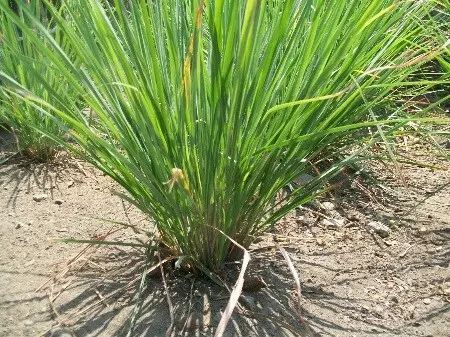
Both citronella and lemongrass belong to the Cymbopogon genus — a group of aromatic tropical grasses in the family Poaceae.
This shared botanical family is the source of much of the confusion between the two oils. But within that genus, they are distinct species with different chemical evolution:
Citronella Oil — Two Types You Need to Know
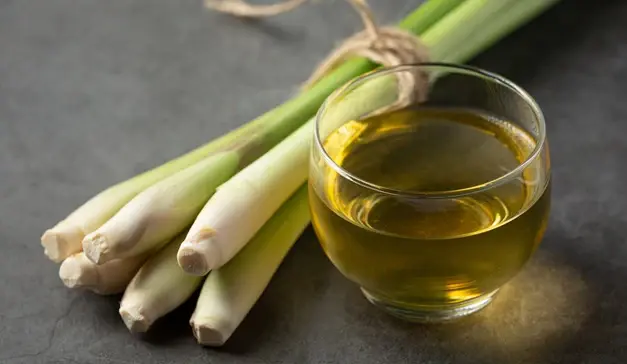
There are two commercially important types of citronella oil, and they are not interchangeable:
- Java type (Cymbopogon winterianus Jowitt): The superior commercial grade. Produced primarily in Java, Indonesia. Citronellal content 32–45% — significantly higher than Ceylon type. This is the global industry standard for premium citronella oil applications.
- Ceylon type (Cymbopogon nardus L.): Lower quality grade from Sri Lanka. Citronellal content only 8–15%. Less effective for repellent applications. Trades at lower price but delivers substantially less active compound per kg. When buyers specify 'citronella oil' without clarifying type, they should be receiving Java type — always verify on the COA.
| A Common Misconception Worth Clarifying Many nurseries sell plants labelled 'citronella plant' or 'mosquito plant' — these are typically Pelargonium citrosum (a scented geranium), NOT Cymbopogon species. These plants have very little actual mosquito-repelling ability. True citronella oil comes exclusively from Cymbopogon winterianus (Java) or C. nardus (Ceylon) — always specify botanical name when sourcing essential oil for repellent applications. |
Lemongrass Oil — Also Two Types
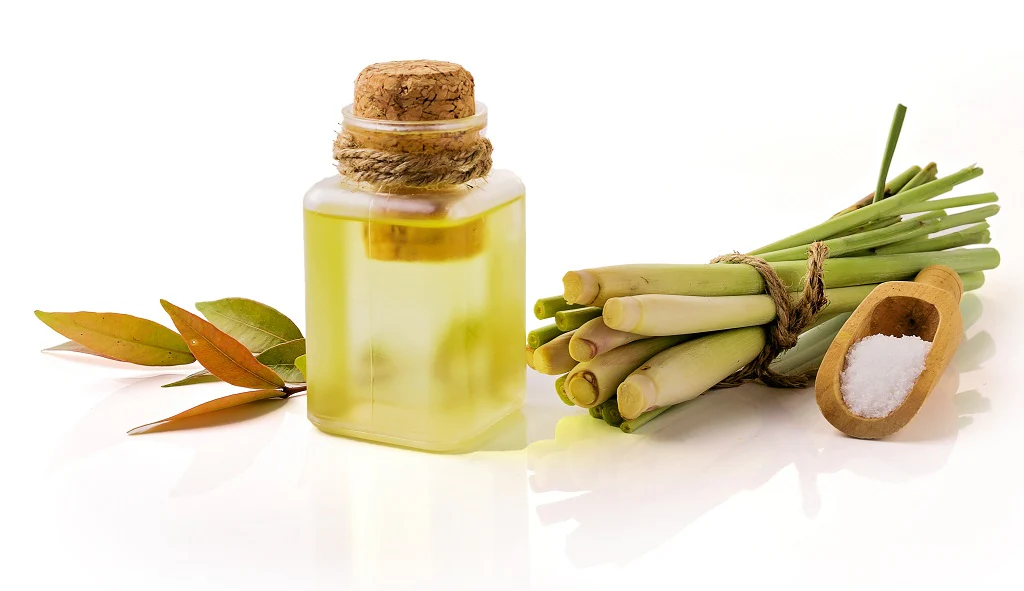
- West Indian type (Cymbopogon citratus): Most widely used. Lower citral (70–75%) but excellent aroma profile for food and personal care. Widely produced in Indonesia, India, and Central America.
- East Indian type (Cymbopogon flexuosus): Higher citral content (75–85%). More intensely lemon-forward. Preferred by fragrance and flavour industry for maximum citral yield. Produced primarily in India and Indonesia.
The Chemistry That Explains Everything: Citronellal vs Citral
The fundamental difference between citronella oil and lemongrass oil comes down to one core distinction: citronellal is the primary compound in citronella; citral is the primary compound in lemongrass.
These are two completely different molecules with different properties — and understanding this distinction resolves every question about which oil to use for what.
Citronellal — What Makes Citronella Oil Work
Citronellal (3,7-dimethyl-6-octenal, CAS 106-23-0) is the aldehyde responsible for citronella oil's characteristic fresh, citrus-rosy aroma and its primary functional activity:
- Insect repellent: Citronellal is a proven mosquito repellent — it works by masking the human-derived odour cues (carbon dioxide and lactic acid) that attract mosquitoes. Higher citronellal % = more effective repellency. This is why Java type citronella (32–45%) significantly outperforms Ceylon type (8–15%) as a repellent.
- Antimicrobial: Inhibitory activity against a range of bacteria and fungi — supports use in natural cleaning and personal care applications
- Aroma contribution: Provides the distinctive fresh, slightly sweet-citrus character of citronella — the aroma most associated with 'outdoor' and 'natural repellent' fragrance profiles
Citral — What Makes Lemongrass Oil Effective
Citral is actually a mixture of two geometric isomers: geranial (citral A) and neral (citral B), in roughly 60:40 ratio. CAS 5392-40-5. Citral is the compound that gives lemongrass oil its intensely lemon-like aroma and its functional properties:
- Antimicrobial: Citral demonstrates potent antimicrobial activity — particularly effective against gram-positive bacteria and Candida species. This is the basis for lemongrass oil's strong position in cosmetic applications for acne-prone skin and anti-dandruff hair care
- Anti-inflammatory: Citral inhibits pro-inflammatory mediators — supporting lemongrass oil's use in skincare for reactive and sensitive skin types
- Aroma contribution: The sharp, intensely fresh lemon character of lemongrass — more linear and 'clean' than citronella. This is what drives its dominance in food flavour and fine fragrance applications
- Important: Citral is a known sensitiser: Higher citral % in lemongrass (70–85%) means stricter IFRA limits for leave-on skin applications compared to citronella. Always verify IFRA limits for your specific product category
| Key Technical Takeaway Citronellal (citronella) and citral (lemongrass) are different molecules. They are not interchangeable in formulations. A repellent formulation using lemongrass (citral) instead of citronella (citronellal) will have significantly reduced efficacy. A cosmetic formulation using citronella (citronellal) instead of lemongrass (citral) will have a different aroma profile and reduced antimicrobial activity for skincare applications. Always choose based on which compound — citronellal or citral — serves your formulation objective. |
Application-by-Application Comparison: Which Performs Better?
Insect Repellent — Citronella Wins Clearly
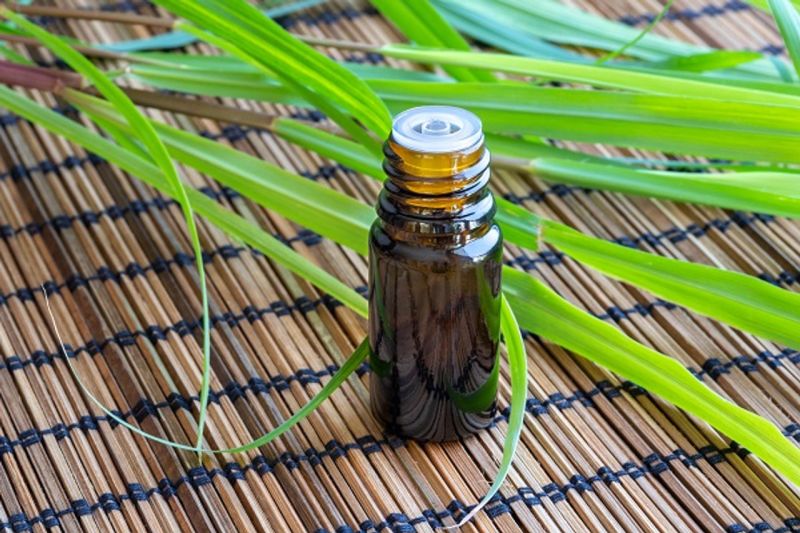
This is the application where the difference is most stark. Citronella oil is significantly more effective than lemongrass oil as an insect repellent — because the mechanism of mosquito repellency relies primarily on citronellal, not citral. Java citronella at 32–45% citronellal provides substantially more active ingredient per kg than lemongrass at 70–85% citral.
- Citronella oil recommended: 2–5% in body spray/lotion repellent; 3–8% in repellent candle; blend with lemongrass oil at 1:1 for enhanced spectrum repellent
- Lemongrass oil role: Supportive — adds complementary aroma and some additional repellent activity as a blend component, but should not be the sole repellent active
Cosmetics & Skincare — Lemongrass Wins Clearly
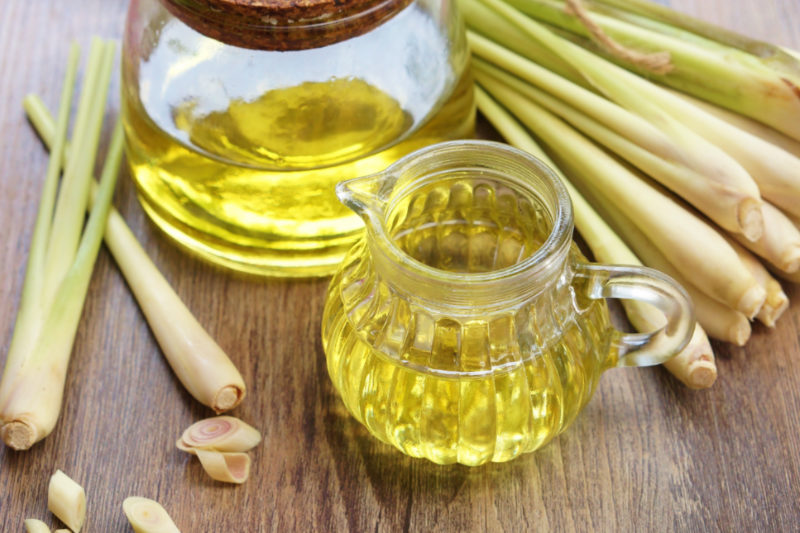
For cosmetic applications — particularly anti-acne, brightening, anti-dandruff, and sebum-regulating formulations — lemongrass oil is substantially more suitable.
Citral's stronger antimicrobial activity against skin-relevant bacteria and fungi, combined with lemongrass oil's more pleasant cosmetic aroma profile, makes it the preferred choice in this category.
- Lemongrass oil recommended: 0.5–2% in facial toner, serum, acne treatment; 0.3–0.8% in shampoo/conditioner; 0.5–1.5% in body lotion. See full guide: Lemongrass Oil Benefits for Cosmetics
- Citronella oil role: Can be used in deodorant, body wash (rinse-off) for its antimicrobial deodorising properties — but generally not first choice for facial skincare
Soap Manufacturing — Both Work Well
Both essential oils are excellent for soap making — both have good alkali stability and survive the saponification process well. The choice comes down to the specific aroma and positioning of your soap product:
- Citronella soap: 1.5–3% — natural outdoor/anti-insect positioning; slightly sweeter, more complex aroma than lemongrass
- Lemongrass soap: 1.0–2.5% — fresh, intensely lemon positioning; widely used in spa and natural soap ranges
- Blend: 1:1 citronella:lemongrass at 1.5–2% total — best of both worlds: fresh lemon aroma + repellent functionality
Candles & Home Fragrance — Citronella for Function, Lemongrass for Fragrance
For outdoor/repellent candles: citronella oil is clearly preferred — 3–8% for maximum repellent efficacy and the recognisable 'citronella' aroma associated with outdoor protection.
For indoor fragrance candles: lemongrass oil's cleaner, sharper lemon note makes for a more elegant room scent. Many candle formulators use a blend.
Food Flavour — Lemongrass Only
This is a category where lemongrass oil has near-exclusive relevance. Lemongrass oil (particularly C. flexuosus) is FEMA GRAS approved and widely used in beverage, bakery, confectionery, and Asian cuisine applications.
Citronella oil is not commonly used in food flavour applications — its citronellal-dominant profile is not suited to food use.
Fine Fragrance — Lemongrass Preferred
In fragrance composition, lemongrass oil is the more versatile and widely used of the two — its sharp, transparent citrus note blends more cleanly into modern fragrance compositions.
Citronella oil can be used as a supporting citrus-green note but its slightly sweeter, more complex profile makes it less adaptable in fine fragrance.
Patchouli oil is an excellent base note to pair with either oil in fragrance composition.
Which Should You Choose? Decision Guide by Use Case
Understanding the citronella oil vs lemongrass oil difference allows you to make a fast, confident decision based on your specific application. For most use cases, the right choice is clear — only a few applications benefit from blending both:
| Your Use Case | Choose | Reason |
| Mosquito / insect repellent spray or lotion | Citronella (Java) | Citronellal is the primary mosquito repellent active — citral (lemongrass) is much weaker |
| Outdoor repellent candle | Citronella | Standard choice; recognisable repellent aroma; strong hot throw |
| Anti-acne serum or facial oil | Lemongrass | Superior antimicrobial vs P. acnes; appropriate for facial leave-on use |
| Anti-dandruff shampoo | Lemongrass | Citral active against Malassezia; scalp-safe; colour-neutral |
| Natural deodorant | Citronella or blend | Citronella's antimicrobial + deodorising; or 1:1 blend for balanced profile |
| Bar soap (natural/outdoor positioning) | Citronella or blend | Citronella for repellent claim; lemongrass for fresh lemon; blend for both |
| Bar soap (spa/wellness positioning) | Lemongrass | Fresher, more refined citrus note suited to premium spa positioning |
| Body wash / shower gel | Lemongrass | More elegant in personal care context; rinse-off reduces sensitisation risk |
| Food & beverage flavouring | Lemongrass only | FEMA GRAS; citral is the relevant flavour compound |
| Fine fragrance top note | Lemongrass | Cleaner citrus note; more versatile in composition |
| Reed diffuser / home fragrance | Lemongrass (indoor) / Citronella (outdoor) | Lemongrass for elegant indoor; citronella for outdoor/patio diffusion |
| Natural cleaning product | Either / blend | Both have antimicrobial + fresh fragrance properties; cost-effective choice |
| Aromatherapy blend (uplifting) | Lemongrass | Brighter citrus character; more widely used in therapeutic aromatherapy |
| Men's grooming product | Blend | Citronella's complexity + lemongrass's brightness = versatile masculine fresh accord |
Safety & IFRA Compliance: Important Differences
Both oils have IFRA-approved status but with different sensitisation profiles that create different formulation constraints:
- Citronella oil (citronellal): Classified as a skin sensitiser — IFRA limits apply by product category. Leave-on skin products have stricter limits than rinse-off. Generally well-tolerated at typical usage rates in personal care. Avoid undiluted application.
- Lemongrass oil (citral): Citral is a known skin sensitiser at higher concentrations — with stricter IFRA limits than many other essential oils for leave-on formulations. Always calculate usage based on the citral % in your specific batch (verify via COA). For EU/UK commercial products, CPSR assessment is required.
- Lemongrass oil (citral): Citral is a known skin sensitiser at higher concentrations — with stricter IFRA limits than many other essential oils for leave-on formulations. Always calculate usage based on the citral % in your specific batch (verify via COA). For EU/UK commercial products, CPSR assessment is required.
- Citral allergen declaration (EU/UK): If citral (from lemongrass oil) is present at >0.001% in a leave-on product or >0.01% in a rinse-off product, it must be declared as an allergen on the label under EU Cosmetics Regulation Annex III.
- Children and infants: Both oils should be used at reduced concentrations for products intended for children under 3 years. Follow specific IFRA limits for baby product categories.
Related Reading
→ Understanding COA & GCMS Reports — Verify Compound Content Before Formulating
→ Clove Oil Safety & IFRA Guide — Understanding Essential Oil Safety in Cosmetics
Sourcing Both Oils from Indonesia: Key Specifications
Both citronella oil and lemongrass oil are produced in Indonesia — and sourcing both from the same Indonesian manufacturer offers significant advantages in terms of documentation consistency, logistics, and relationship management.
Citronella Oil — What to Specify
- Species: Always specify Cymbopogon winterianus (Java type) — not C. nardus (Ceylon). Without this specification, you may receive the inferior Ceylon type
- Minimum citronellal %: State 'citronellal ≥35%' for repellent applications or 'citronellal ≥30%' for general use
- COA + GCMS: Citronella is frequently adulterated with synthetic citronellal — always request GCMS to verify authentic compound profile
Lemongrass Oil — What to Specify
- Species: Specify C. citratus (wider use, cosmetics/personal care) or C. flexuosus (higher citral, fragrance/flavour applications)
- Minimum citral %: State 'citral ≥70%' for C. citratus or 'citral ≥75%' for C. flexuosus
- COA + GCMS: Verify geranial/neral ratio — should be approximately 60:40 in genuine lemongrass
For complete supplier verification, documentation requirements, and bulk ordering guide, see: How to Source Essential Oils from Indonesia.
Related Reading
→ Citronella Essential Oil — Product Page
→ Lemongrass Essential Oil — Product Page
→ How to Source Essential Oils from Indonesia — Complete Importer's Guide
→ Essential Oils from Indonesia — Complete Product List
Source Both Citronella and Lemongrass Oil from One Indonesian Manufacturer
As an Indonesian manufacturer of both citronella oil (Java type, Cymbopogon winterianus) and lemongrass oil (C. citratus and C. flexuosus), Global Essential Oil offers buyers the ability to source both oils with:
- Species-confirmed supply: Botanical name on every COA — C. winterianus or C. citratus/flexuosus as specified
- Batch-specific COA + GCMS: Citronellal % and citral % verified for every batch — no generic documentation
- Halal certified (MUI): Both oils — verifiable at halalmui.org
- Single shipment, single documentation: Order both in the same container with one export documentation set
- Private label blends: Citronella + lemongrass pre-blended repellent formulations under your brand. See: Private Label Essential Oil Manufacturing
| Request Citronella & Lemongrass Oil Samples Side-by-Side Contact our team to request evaluation samples of both Java citronella oil (C. winterianus) and lemongrass oil, with batch-specific COA, GCMS compound profile, and Halal certificate for each. Compare them side-by-side for your specific formulation before placing a bulk order. We respond within 1 business day. → Contact Global Essential Oil — Request Citronella & Lemongrass Comparison Samples |