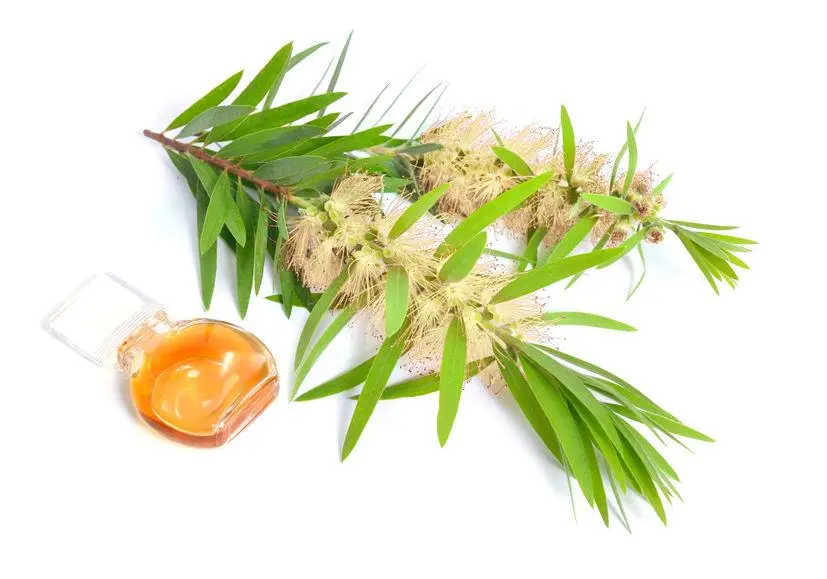
Cajuput oil is strongly associated with Indonesia, but understanding the commercial market requires more than looking at a global growth forecast.
For B2B buyers, the value of a cajuput oil lot depends on a combination of botanical identity, 1,8-cineole content, physical quality, production consistency, documentation, intended application, and supply reliability.
This matters because cajuput is not a completely standardized synthetic ingredient.
Recent Indonesian research found meaningful variation in chemical composition and physicochemical quality across production locations, even when improved planting material was used.
The same research also linked market acceptance and commercial value to factors such as 1,8-cineole content and oil clarity.
For international buyers, price per kilogram therefore makes more sense when it is evaluated against the actual specification being purchased.
This guide looks at the cajuput oil market from a buyer perspective: how the supply chain works, why Indonesia matters, what industries drive demand, what affects quality and price, and what procurement teams should verify before approving a bulk order.
What Does the Cajuput Oil Market Look Like?
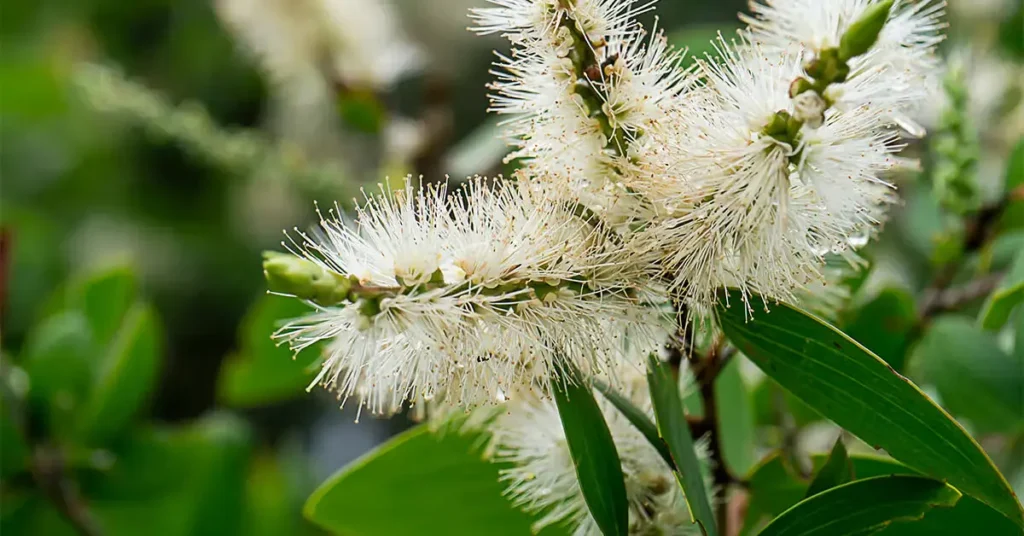
The cajuput oil market connects agricultural production with several industrial end uses. A simplified commercial chain looks like this:
Cajuput plantation / leaf supply → harvesting → steam distillation → crude oil collection and quality control → optional refining or fractionation → manufacturer / supplier / exporter → industrial buyer.
Demand can come from pharmaceutical and traditional-health manufacturers, personal-care and wellness brands, aromatherapy businesses, household-product producers, and other manufacturers that use cineole-rich botanical ingredients.
The relative importance of each application varies by market, product grade, and local regulation.
For Global Essential Oil, this article does not treat proprietary market-size forecasts as the main decision tool. Those forecasts can vary widely by methodology.
The more durable questions for a buyer are whether supply is available at the required quality, whether the grade fits the application, and whether repeat batches can be documented and supplied consistently.
Why Indonesia Matters in the Cajuput Oil Supply Chain

Indonesia has a long-established cajuput production base and is one of the most important origins associated with Melaleuca cajuputi oil.
A recent study supported by Indonesian research institutions evaluated cajuput from eight locations, including Aceh, Riau, Lampung, Yogyakarta, East Java, West Nusa Tenggara, and Papua, demonstrating that cajuput production potential extends across multiple Indonesian environments.
A broader review of Indonesian non-timber forest products also documents a long production history involving both small-scale distillers and larger public-sector production systems.
Historical production data from Perhutani, Yogyakarta forest-management units, and Maluku illustrate that cajuput is supported by established plantation and distillation infrastructure rather than being a newly commercialized crop.
Traditional Production Regions and Expanding Production Potential
Maluku is historically associated with cajuput, while Java has also developed substantial plantation and distillation activity.
More recent research has evaluated improved cajuput planting material across a wider group of Indonesian locations.
For buyers, this means “Indonesian cajuput oil” can represent material from different growing environments, so origin should be documented rather than assumed.
Why Supply Availability Can Differ
Commercial availability can change with leaf productivity, plantation management, harvest schedule, distillation capacity, local demand, raw-material quality, and the grade required by the buyer.
A supplier may be able to offer cajuput oil in volume while still having limited availability for a narrowly specified high-cineole or specially refined grade.
Which Industries Drive Cajuput Oil Demand?
Cajuput oil has a broad application base, but buyers should distinguish between end-use categories because each one may require a different quality profile, documentation set, or regulatory review.
Pharmaceutical and Traditional Health Products
Cajuput oil is widely associated with topical and respiratory-oriented products such as balms, liniments, inhalation products, and traditional medicinal preparations.
The recent Indonesian quality study notes that cajuput oil is used by the essential-oil-based pharmaceutical industry, making chemical profile and physicochemical conformity especially important for buyers in this segment.
Personal Care and Cosmetics
Personal-care manufacturers may evaluate cajuput oil for soaps, body-care formulations, cleansing products, massage products, and other functional aromatic applications.
In this segment, the required odor profile, permitted concentration, safety assessment, and documentation depend on the finished product and target market.
Aromatherapy and Wellness
Aromatherapy and wellness brands create another demand channel, particularly for cineole-rich oils with a fresh medicinal aroma.
B2B buyers in this segment should still treat the oil as a manufacturing raw material: botanical identity, batch documentation, sensory consistency, and safe-use requirements remain important even when the product is marketed for wellness.
Fragrance and Functional Aroma Applications
Cajuput is not positioned in fine fragrance in the same way as patchouli or vetiver, but its fresh, camphoraceous profile can still be relevant in functional fragrance, personal-care, and household-product systems.
Application testing is useful because a high cineole percentage does not by itself guarantee the preferred odor profile in a finished formula.
Household and Functional Products
Cajuput can also be used in household and functional products where a strong fresh aromatic character is desired.
For a more application-focused discussion, see Global Essential Oil’s Cajuput Oil for Household Cleaners and Sprays.
1,8-Cineole: Why It Matters Commercially
1,8-Cineole is one of the most commercially important constituents used when discussing cajuput oil quality.
In the 2025 Indonesian multi-location study, 1,8-cineole was the dominant compound in the crude oils tested, with substantial differences among locations.
The authors also reported that higher cineole content and oil clarity are important factors in market acceptance and pricing.
For procurement teams, that means cineole content is not just a chemistry fact. It can influence grade, application suitability, quality expectations, and commercial value.
However, buyers should avoid treating one cineole number as the only definition of quality. A suitable lot must still meet the complete specification required for the intended application.
For a deeper explanation of cajuput chemistry and practical uses, review Global Essential Oil’s Oleum Cajuput guide.
Cajuput Oil Quality Is Not Defined by Cineole Alone
The Indonesian study evaluated cajuput oil using organoleptic tests, GC-MS, and physicochemical parameters aligned with the Indonesian National Standard (SNI).
Parameters discussed included color, odor, specific gravity, refractive index, solubility in ethanol, and optical rotation.
Only part of the tested material met all assessed SNI requirements, showing why one high constituent value should not be treated as a complete quality verdict.
A buyer may therefore need to review:
- Botanical identity and declared plant source.
- 1,8-cineole and other relevant constituents.
- Appearance, color, and clarity.
- Specific gravity, refractive index, optical rotation, or other agreed physical parameters.
- GC or GC-MS profile where required.
- Sensory / odor consistency against the approved sample.
- Batch traceability and production information.
- Application-specific requirements and customer specifications.
If your team needs help interpreting a batch certificate or chromatographic report, see the Global Essential Oil COA & GC-MS Guide.
What Drives Cajuput Oil Prices?
Cajuput oil quotations can vary because buyers are not always comparing the same technical product.
The most useful way to evaluate price is to understand which specification, processing level, packaging, and documentation are included in the offer.
1,8-Cineole Content and Grade
Higher cineole content may support a higher commercial grade in some market contexts.
Recent Indonesian research explicitly connects cineole content with market acceptance and pricing, making it one of the first parameters buyers should clarify when comparing quotations.
Clarity and Physical Quality
Color, clarity, refractive index, optical rotation, and other physical parameters can affect whether a batch meets the required quality standard.
A cheaper lot that needs additional refining or fails the buyer’s specification can become more expensive after rejection, rework, or replacement.
Origin and Raw-Material Availability
Origin can influence raw-material availability, oil profile, logistics, and production economics.
Because Indonesian cajuput can be produced across different environments, buyers should ask where the commercial batch comes from when origin is relevant to the approved specification.
Distillation Yield and Processing Efficiency
Leaf oil concentration, leaf biomass, distillation control, and equipment efficiency affect production cost.
Indonesian breeding research has specifically targeted both oil productivity and 1,8-cineole content, showing how agricultural improvement and process control can influence commercial output.
Refining or Fractionation
Additional processing can change the commercial profile of the oil.
In the 2025 study, molecular distillation increased 1,8-cineole in the light fraction and improved conformity for several physicochemical parameters.
Extra processing can therefore add value, but it also adds cost and means buyers need to confirm whether they are comparing crude, refined, or otherwise processed material.
Packaging, Testing and Export Requirements
Order size, drum type, inner lining, batch testing, third-party testing, COA, GC-MS, SDS, labeling, and destination-specific documentation can all change the final quotation.
A price comparison is only meaningful when the commercial scope is comparable.
Why Cajuput Oil Prices Should Not Be Compared by Price per Kilogram Alone
A lower price per kilogram can look attractive until the buyer discovers that the offered material has a different cineole grade, a different physical specification, weaker documentation, or inconsistent repeat-batch performance.
The better comparison is price against specification and purchasing risk.
| Quotation Question | Why It Matters | What to Compare |
| What cineole / grade is offered? | Different grades can serve different applications. | Agreed constituent range and complete specification. |
| Is the oil crude or further refined? | Processing can affect clarity, composition and cost. | Processing status and final-batch test data. |
| What documentation is included? | Missing data can delay QA/QC approval. | COA, GC-MS if required, SDS and traceability. |
| Is the lot representative of repeat supply? | One good sample does not guarantee future consistency. | Batch history, sample approval and change notification. |
| What packaging and Incoterm are quoted? | Commercial terms affect landed cost. | Pack size, packaging material and delivery terms. |
Market Supply Challenges Buyers Should Understand
Quality Variation Between Production Locations
Recent Indonesian research found substantial location-to-location variation in cineole content and physicochemical properties, even within an improved planting program.
For buyers, this reinforces the need for batch-specific evidence rather than relying only on origin reputation.
Botanical Naming and Product Identity
Cajuput is discussed under several botanical and common-name conventions in trade and older literature.
Procurement teams should rely on the botanical identity declared in the supplier’s specification and batch documents rather than assuming that “cajuput,” “cajeput,” or “white tea tree oil” always describe an identical commercial material.
Adulteration or Substitution Risk
Like other essential oils, cajuput can face authenticity risks when a commercial product is judged only by aroma or one headline constituent.
Buyers that need a deeper authenticity framework can use Global Essential Oil’s Essential Oil Adulteration Guide.
Documentation Differences Between Suppliers
Not every supplier provides the same level of documentation.
For regulated or formulation-sensitive buyers, missing botanical identity, batch-specific COA, GC-MS where required, SDS, traceability, or change notification can be as important as the oil price itself.
Cajuput Oil vs Eucalyptus: Are They Competing Raw Materials?
Cajuput and eucalyptus oils can both be cineole-rich and may overlap in respiratory, wellness, pharmaceutical, household, or functional-aroma applications.
However, they are not automatically interchangeable. Botanical source, complete chemical profile, odor character, applicable specification, and regulatory or customer requirements can differ.
If your formulation is comparing the two materials, evaluate the actual batch specification rather than substituting one oil based only on 1,8-cineole content.
Global Essential Oil’s Oleum Cajuput guide provides more background on cajuput characteristics and its relationship with eucalyptus-type oils.
What Should B2B Buyers Check Before Sourcing Indonesian Cajuput Oil?
Before requesting a final quotation or approving a commercial batch, define the material your application actually needs.
- Botanical identity: confirm the declared Melaleuca source and plant material.
- Origin: record the production origin when it is part of your approval basis.
- Target grade: define the 1,8-cineole or other constituent requirement instead of buying “cajuput oil” generically.
- Physical specification: review appearance and the parameters relevant to your product and applicable standard.
- Batch-specific COA: make sure the report corresponds to the actual lot being offered.
- GC / GC-MS: request when required by your specification, application, or risk assessment.
- Sample approval: evaluate a representative sample before committing to a large commercial order.
- Application trial: test the material in the finished formulation when odor or performance is sensitive.
- Packaging: confirm drum material, pack size, sealing and labeling.
- MOQ and lead time: verify whether the required grade is available at your commercial volume.
- Export documents: clarify SDS, COA, packing list, invoice, origin documents, and destination-specific needs.
- Repeat-batch consistency: agree how specification changes or major origin/process changes will be communicated.
For broader supplier-verification steps, see Global Essential Oil’s Sourcing Essential Oils from Indonesia guide.
How to Compare Cajuput Oil Suppliers
A supplier comparison should go beyond a list of companies. For B2B procurement, the better framework is to compare how each supplier controls product identity, specification, batch data, repeatability, packaging, and export communication.
- Does the supplier clearly identify the botanical material and commercial grade?
- Are batch-specific COA and supporting analytical data available?
- Can the supplier provide a representative sample before the bulk order?
- Does the offered batch match the specification used during sample approval?
- Can the supplier explain origin, distillation, refinement, or major processing changes?
- Are packaging options appropriate for the buyer’s volume and handling system?
- Is the export team prepared to respond to QA/QC questions and document requests?
- Does the supplier have a practical process for deviations, replacements, or alternative lots?
Indonesian Cajuput Oil Buyer Checklist
- Botanical identity confirmed
- Production origin confirmed where relevant
- Target cineole / grade requirement defined
- Current specification reviewed
- Batch-specific COA reviewed
- GC-MS available when required
- Physical quality parameters checked
- Representative sample approved
- Application trial completed where needed
- Packaging and MOQ confirmed
- Export documentation requirements reviewed
- Repeat-batch consistency expectations agreed
Cajuput Oil Market Outlook: What Buyers Should Watch
Rather than relying on one long-range CAGR forecast, procurement teams can monitor a smaller set of factors that directly influence commercial purchasing decisions.
Quality Standardization and Higher-Cineole Material
Indonesian breeding and quality research is actively focused on improving oil productivity and 1,8-cineole content.
This suggests that future market differentiation may increasingly depend on well-documented quality grades rather than on generic “cajuput oil” supply alone.
Improved Processing and Refining
Research on molecular distillation shows that processing can substantially change cineole concentration and physicochemical conformity.
Buyers should therefore expect clearer distinctions between crude and further-refined commercial grades as supply chains mature.
Batch Consistency and Traceability
As industrial buyers formalize QA/QC requirements, supplier value increasingly comes from repeatability, batch documentation, traceability, and transparent change communication—not only from access to raw oil.
Sustainable Plantation and Supply Management
Cajuput is notable for its ability to grow on relatively marginal land, and recent research continues to explore how genetics, site suitability, and plantation management can improve productivity without treating oil quality as an afterthought.
For buyers, sustainable supply should be evaluated through traceability and documented production practices rather than generic environmental claims.
Sourcing Cajuput Oil from Indonesia
If your company is evaluating Indonesian cajuput oil, the best starting point is a clear specification.
Define the botanical identity, required grade, 1,8-cineole expectation, physical parameters, packaging, documentation, application, and expected annual or repeat-order volume before comparing quotations.
For current commercial information, available specifications, packaging, sample requests, COA or GC-MS availability, and quotation discussions, review the Global Essential Oil Cajuput Essential Oil product page or contact the export team.
Frequently Asked Questions
What drives the cajuput oil market?
Demand from pharmaceutical, personal-care, wellness and functional-product manufacturers, together with supply quality, cineole grade, processing and documentation, all influence the market.
Is Indonesia an important source of cajuput oil?
Yes. Indonesia has a long-established cajuput production base, and recent research has evaluated production across multiple regions from Sumatra and Java to West Nusa Tenggara and Papua.
What affects cajuput oil prices?
Key factors include 1,8-cineole content, overall specification, clarity and physical quality, processing level, origin, packaging, order volume and documentation requirements.
Why is 1,8-cineole important in cajuput oil?
It is a major constituent used in quality and grade evaluation, but buyers should assess it together with the full chemical and physical specification.
What should buyers check before purchasing cajuput oil in bulk?
Confirm botanical identity, specification, batch COA, analytical data when required, sample quality, packaging, MOQ, documentation and repeat-batch expectations.
Is cajuput oil the same as eucalyptus oil?
No. They may both be cineole-rich, but their botanical source, complete chemical profile, odor and applicable specification can differ.